Why do we say "three o'clock" instead of just "three"? The extra word isn't filler. It's a contraction of "of the clock," and it has stuck around since a time when naming an hour required more than a number.
"O'clock" comes from the Middle English phrase "of the clokke," not "on the clock" as people sometimes assume. The word clokke comes from the Medieval Latin word clocca, which means "bell". Records of English speakers saying "of the clock" go back to the 1300s. By the time Shakespeare wrote "As You Like It" around 1599, the contracted form was already common enough for the stage: "what is't o'clock?" one character asks, met with the reply that "there's no clock in the forest."
That joke only works because of a real shift in how people told time. For centuries, systems like monastic canonical hours and sundial-based schedules divided daylight into a fixed number of hours regardless of the season, so an hour stretched longer in summer and shrank in winter. Time bent around the sun and the day, not a fixed unit.
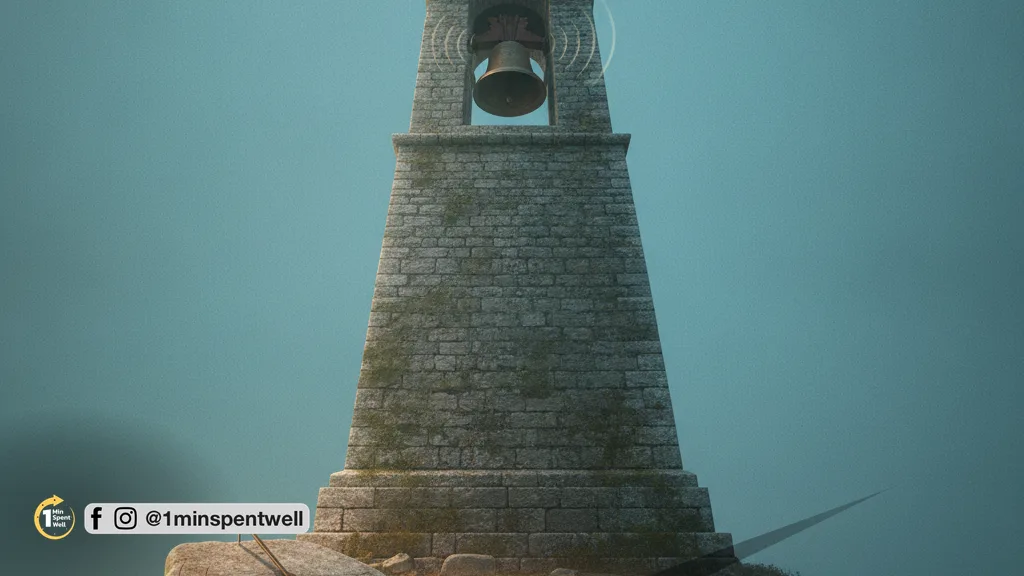
Mechanical clocks introduced something different: hours of consistent length, kept whether or not the sun cooperated. Even the word "clock" hints at how that time first reached people. It comes from the Medieval Latin "clocca," meaning bell, since early public timekeeping was announced by bell towers rather than read off a face.
So "three of the clock" wasn't just a wordy way to say three. It named a specific device, the mechanical clock, at a point when telling time didn't automatically mean that. Centuries and a few dropped letters later, we're still saying it, even though most of us have forgotten there was ever a distinction to make.
Sources
- Merriam-Webster. "The Origin Of O'clock." n.d.
- Etymonline. "O'clock - Etymology, Origin & Meaning." n.d.
- Wiktionary. "o'clock." n.d.
- Today I Found Out. "Why We Say "O'Clock"." n.d.
- William Shakespeare. "As You Like It, Act 3 Scene 2." 1599 (event), n.d. (published).
- University of Cambridge (NRICH Maths). "A Brief History of Time Measurement." n.d.
- Etymonline. "Clock - Etymology, Origin & Meaning." n.d.
Comments
No comments yet — be the first.